5.30.2008

Kansas gets some marketing dap!


I pick up the latest edition of Marketing News, a publication of the American Marketing Association, and right on the cover is good old Kansas. The cover story is an interesting read about the Kansas Department of Travel and Tourism and their collaboration with the Kansas Department of Wildlife and Parks. Working with marketing consultants, the two groups were able to break down their silos and share information. The results were a larger and more targeted group of travelers to communicate with. Kansas is now selling their tourist offerings in a cost effective way. Perhaps more importantly, the state is selling its actual unique offerings, not trying to be like every other state.

The Kansas connection did not stop there. Elsewhere in the issue, there is a table of Nielsen data showing the top ten brands with TV product placement during the week of March 24-30. Ranking #7 on the list with 32 occurrences is none other than Kansas State University. They rate behind the likes of mega brands Coca-Cola and CBGB, and ahead of a little company you may have heard of...Nike. They are also ahead of the University of Southern California and the University of Texas. If only this translated to the AP ranking in football! Topping the list is 24 Hour Fitness.

Both of these stories make a Kansas-based marketer like myself proud.

5.09.2008

A penny saved...through loyalty.


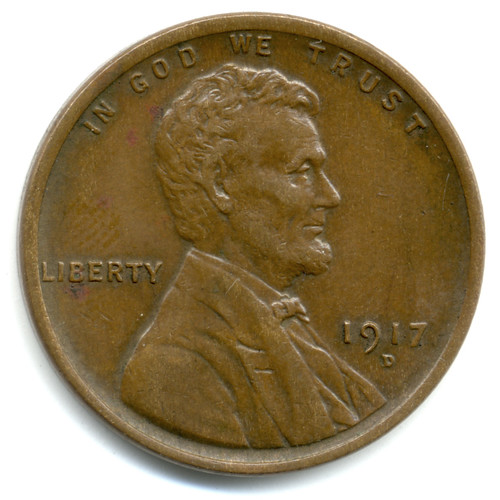
Back in April, AdFreak featured a post on a Harris Poll that found 56% of adults were opposed to abolishing the penny. AdFreak noted that this type of loyalty would make some brand manager s envious.

This is really interesting. You can buy nothing for a penny (in fact, to buy something it costs $10). They tend to fill up ashtrays and piggy banks, and in my house are always picked through to find “the silver stuff.” If you see a penny on the street, you might think twice about exerting the effort to pick it up. So why the outpouring of penny love? Perhaps a bunch of Abraham Lincoln fans?

Regardless of why, I think it is interesting that this information remained unknown until people where faced with a life without the penny. Think of your company, product or service. Has it become as ubiquitous as the penny? Do people take it for granted? Probably. We have short memories.

Maybe your marketing message should remind people what life would be like without your product. Don’t do it in a threatening manner, but more informational or humorous. You might be surprised by the amount of loyalty that bubbles up.

photo courtesy of Flickr user Dystopos

5.02.2008

Your brand in six words or less.


A new book entitled “Not Quite What I was Planning: Six Word Memoirs from Writers Famous and Obscure” is a collection of life stories, summed up in just six words. A whole life…six words. Sounds impossible, until you start to read them. For instance, “Cursed with cancer, blessed with friends” really does the job, doesn’t it?

So as marketers, can we do this? Can you tell the story of your brand in six words or less? We should be able to. Try it. Try doing it for other companies (For Starbucks: “Premium coffee at your second home.”). This sort of exercise helps us create more compelling and memorable marketing messages. And it simplifies communication with our customers.

Lessons from a Punk Marketer: Hold the B.S.


“No more bullshit,” demanded Richard Laermer, author of “Punk Marketing” and “2011: Trendspotting for the Next Decade,” during his keynote address to the American Marketing Association. Along with AMA chapter members from across the continent, I sat in the ballroom admiring Laermer’s razor sharp wit, enthusiasm and brash candor. Living up to his advice, he started by telling us all what he was not going to do. He was not there to provide magic bullet insights that will solve all marketing challenges.

What he did do was bring us marketers down a notch by not pulling punches when railing against ineffective, traditional methods that sidestep the changing reality of the consumer experience. The three things I took away from his brief address:

1) Do deeper research into your target market. This means going beyond the demographic and typical psychographics. Find out what they are exposed to. What are they reading? Watching? Talking about? Making fun of? Rebelling against? Why are they not choosing you?

2) Be honest. Too many times, as marketers, we lie, fib, stretch the truth, over promise and tell our customers what we think they want to hear. This doesn’t work anymore because of the level of noise in the marketplace (i.e. everyone is saying they offer superior customer service) and the consumer’s rising level of skepticism when it comes to superfluous marketing claims. As marketers we need to dig down to find our true market position and authentically present that position in our messages. And when we do it the message needs to be simple…not dumbed-down…simple.

3) Take risks. Not calculated risks (because those really aren’t risks). Taking risks often leads you to non-traditional tactics that break through, or often avoid the clutter. Think of the Mac vs. PC ads. Was it risky to unabashedly go head to head with a major competitor in a mass advertising campaign? Sure. You know that when the idea came up there were people that fell back to old marketing axioms. “We can’t mention the competition in every ad! That would mean that every ad we run is also an ad for them!” Or, “Making fun of the competition will backfire on us!” Taking risks means that we begin to question these old “truths.”

My goal: Take steps to improve in all three of these areas.

4.23.2008

Blogging the AMA Leadership Summit

The American Marketing Association is hosting their Leadership Summit in Chicago this weekend (April 25-27). It is for leaders in local chapters of the AMA to learn how to better serve their members and run a better chapter. It is also a great gathering of marketing professionals from across the nation. I am anticipating some great networking and learning opportunities.

As I learn along with members of the Wichita Chapter making the trip, I plan to blog about the goingson.

This gives me an opportunity to talk about the importance of joining professional organizations in your field, marketing or otherwise. There are so many in the marketing field (PRSA, AdFed, etc.) that are great opportunities to meet others and share best proactices. Leraning never stops and professional development should be high on your list of goals for furthing your career.

If you are going to the conference and would like to connect, drop me a line.

4.11.2008

Starbucks brews a cup o' joe


You may have heard about the coffee flavor Starbucks introduced last Tuesday by giving it out for free at stores across the nation. Pike Place Roast is supposed to be for those who think that Starbucks coffee tastes too strong, bitter and/or burnt. Another name for these people: Non-Starbucks Drinkers.

Starbucks coffee has a definite taste and to fans of Dunkin Donuts swill. That taste is decidedly more extreme. I would use a terms like bold and full-bodied over bitter and burnt.

What about this new flavor? I have yet to try it, but the best description I have read so far was from James Poniewozik at Time who said, “The result, though, is a cup of coffee that tastes less like a cup of coffee.”

So is Starbucks doing the right thing? Well, I love that they introduced a product by giving it away on a certain day. It makes an event out of the launch and throws exponentially more people into the consumer process at the trial stage. Lesson here: consider giving it away for free if you can.

But, I have always thought that Starbucks was really aimed at coffee snobs (not an affectionate term, but I happen to be one, so I can use it). By attempting to brew a mass audience blend, do they abandon their core audience? Maybe. They must really be feeling the pinch from McDonalds.

Another position Starbucks strives to fill is what they call the “third place,” the other two being work and home. That is a lifestyle position. By this standard, opening up your product line to encompass more consumers could be considered a fit.

In the end, Starbucks comes off a bit desperate to me on this one. Part of the cool factor with them is that they seem to buck the system (“Screw small, medium and large! We’ll do tall, grande and Venti!”). Launching a bland roast doesn’t jive with that.

4.08.2008

An Absolute Branding Mistake


Reuters reports that “The distillers of Sweden's Absolut vodka have withdrawn an advertisement run in Mexico that angered many U.S. citizens by idealizing an early 19th century map showing chunks of the United States as Mexican.”

Absolut initially defended that ad by saying that it was intended for the Mexican market.

Someone should tell Absolut about this thing called the Internet. A major brand never really isolates a message to a particular region.

The marketing problem here is that Absolut forgot that they are a GLOBAL brand. The rules are very different on the global scale. Sure, there are cultural differences that need to be accounted for when marketing internationally, but core brand values need to remain consistent. And those core brand values had best not alienate a large portion of your market.

Also, a little situational analysis would have suggested that a message focused on Mexican/American relations might have unintended negative buzz in the U.S. against the backdrop a national debate on immigration policy.

But this is just marketing, right?

Who needs a drink?